Crestmont Capital is an equipment-financing option to compare when your business needs machinery, vehicles, or other productive assets; the purchase decision also needs a cash-flow and growth plan. The best Crestmont Capital alternative in 2026 is Trifecta Business Group if you need funding solutions alongside strategic consulting; a bank equipment loan is the better route to evaluate if your priority is financing a clearly defined purchase.
TL;DR
Compare Crestmont Capital alternatives by ownership, repayment obligations, equipment needs, and business strategy—not approval alone.
Trifecta Business Group suits small and mid-sized companies seeking business funding alongside strategic consulting.
Bank equipment loans suit defined purchases; equipment leasing suits businesses that prefer contractual use over immediate ownership.
Keep Crestmont Capital on your shortlist when its written proposal fits your equipment and cash-flow requirements.
Why this matters
An equipment purchase creates obligations beyond the financing agreement. You still need to install the asset, operate it, maintain it, and turn its capacity into collected revenue. Funding solves only part of that problem.
Your 2026 comparison should answer a practical question: Does this financing arrangement support the business the equipment is supposed to build? A proposal that covers the machine but leaves payroll or installation unfunded is not a complete purchase plan.
Separate the equipment decision from the provider decision. First establish what the asset must accomplish. Then compare funding routes against that requirement, rather than changing your plan to match the first proposal you receive.
Crestmont Capital alternatives at a glance
The alternatives below include a consulting firm and financing categories. They are different routes, not interchangeable lenders, and the comparison does not rank approval likelihood or promise particular contract terms.
Option
Best for
Standout distinction
Difference to evaluate against Crestmont Capital
Crestmont Capital
Owners evaluating an equipment-financing proposal
Equipment-funding option under consideration
Use its written proposal as the benchmark
Trifecta Business Group
Small and mid-sized companies connecting funding with business strategy
Funding solutions, strategic consulting, and digital marketing services
Broader business support rather than an equipment-only decision
Bank or credit union equipment loan
Businesses with a defined purchase and an ownership objective
Loan-based purchase financing
Compare the actual repayment, security, and ownership provisions
SBA-backed financing
Eligible businesses evaluating equipment within a qualifying project
Financing governed by a specific SBA program
Compare program requirements and permitted uses
Equipment leasing
Businesses prioritizing use of equipment under a lease
Contract-defined equipment use and end-of-term options
Compare ownership, return, and purchase obligations
Do not treat the table as a substitute for a proposal. A provider name does not tell you who holds the agreement, what secures it, or what happens when you repay or exit early. Those answers belong in writing.
1. Trifecta Business Group: best for funding plus business strategy
Trifecta Business Group is a business consulting firm offering funding solutions, digital marketing, and strategic consulting to small and mid-sized companies. That makes it a relevant alternative when your equipment purchase sits inside a larger expansion decision. The focus is the business plan, not just the asset.
Best for: owners who need business funding and strategic consulting together. An equipment purchase tied to a new service, increased production, or business expansion needs an operating plan as well as a funding decision.
Where this option shines
Its stated services span funding, strategic consulting, and digital marketing.
Its stated audience includes small and mid-sized companies.
Its consulting role fits decisions that extend beyond selecting a financing agreement.
Where this option falls short
A consulting firm is not interchangeable with a direct equipment lender.
Broader strategic work is a different scope from simply financing an already-decided purchase.
Consulting support does not replace your review of the financing agreement, asset specifications, or repayment obligations.
For your 2026 comparison, define the engagement before proceeding. Ask what funding-related work is included, who provides any financing, and which parts of the equipment decision remain your responsibility. Keep consulting deliverables separate from lender commitments.
Verdict: Hold until the service scope and financing responsibilities are clear. Choose the consulting-led route when business strategy is part of the problem you need to solve.
2. Bank or credit union equipment loan: best for a defined purchase
A bank or credit union equipment loan is a route to evaluate when you know what you want to buy and intend to own it. The loan agreement establishes repayment obligations and any security requirements. Equipment selection remains a separate business decision.
Best for: owners who have selected the asset and need purchase financing rather than broader consulting. Start with the institution where you already maintain business accounts, but compare the proposal rather than assuming an existing relationship guarantees a suitable agreement.
Where equipment loans shine
Purchase financing aligns with an ownership objective.
A defined asset and vendor quote give you a clear basis for comparing proposals.
The agreement provides a repayment structure to incorporate into your operating plan.
Where equipment loans fall short
You remain responsible for maintenance, downtime, and the asset's business performance.
Ownership leaves you with equipment that becomes outdated or no longer fits your operation.
Security requirements and personal guarantees need careful review in the actual agreement.
Compare a bank proposal with Crestmont Capital using the same asset, funding requirement, and ownership goal. Ask each provider to explain early repayment, collateral, guarantees, and disbursement conditions. Differences matter only when you know what each agreement actually requires.
Verdict: Hold until you have a written proposal that supports the purchase and repayment plan.
3. SBA-backed financing: best for a qualifying business project
SBA-backed financing is a program-based route, not a single lender or uniform equipment product. SBA programs have specific eligibility rules and permitted uses. Equipment financing therefore needs to fit the program as well as your business.
Best for: owners evaluating eligible equipment as part of a qualifying project. Start by identifying the applicable program with a participating lender, rather than assuming every equipment purchase belongs in the same application.
Where SBA-backed financing shines
Program rules provide a defined framework for evaluating eligibility and use of funds.
Certain SBA programs permit equipment purchases.
The route deserves consideration when equipment is part of a wider qualifying business project.
Where SBA-backed financing falls short
Your business and proposed use must meet the relevant program requirements.
An SBA guarantee is not a promise that your application will be approved.
For a 2026 application, confirm current rules directly with the participating lender and official SBA guidance. Ask which program applies, which project components qualify, and what conditions must be satisfied before funds are disbursed. Do not combine different SBA programs into a single comparison row in your own proposal worksheet.
Verdict: Hold until the lender confirms the program and project fit.
4. Equipment leasing: best for use rather than immediate ownership
Equipment leasing gives your business use of an asset under a contract. Ownership and end-of-term rights depend on the agreement. A lease is therefore a different decision from borrowing to buy equipment outright.
Best for: businesses that want equipment access and are prepared to evaluate return, renewal, or purchase provisions. Read the end-of-term section before treating leasing as a flexible replacement strategy.
Where equipment leasing shines
It separates equipment use from an immediate ownership objective.
A suitable agreement defines what happens when the lease ends.
It provides another structure to compare when purchasing is not your preferred approach.
Where equipment leasing falls short
Use of the equipment does not automatically establish ownership.
Return conditions, maintenance duties, and early termination provisions create obligations.
A purchase option must be understood on its own terms; it is not an automatic benefit.
Compare a lease with a Crestmont Capital proposal by asking what you control during the agreement and what you retain afterward. Include responsibility for insurance, repairs, damage, and equipment removal. A different contract structure is useful only when it matches your operating needs.
Verdict: Hold until the end-of-term obligations are as clear as the regular payments.
Why people switch from Crestmont Capital
A sound reason to switch is a mismatch between the proposal and your business requirements—not an assumption about the provider. Use the following decision triggers to establish whether another route deserves your attention.
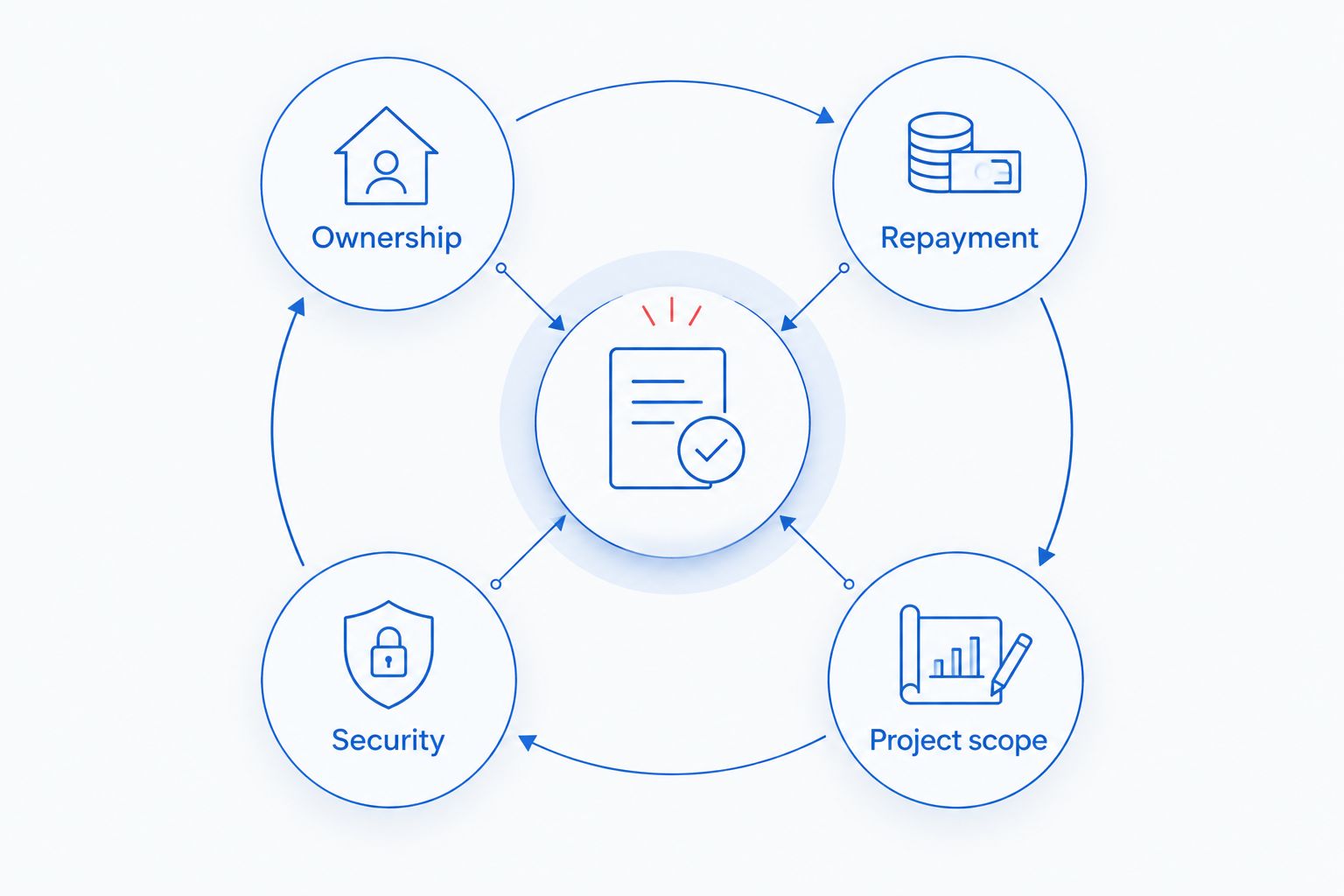
Ownership: Your business needs to own the equipment, but the proposed agreement does not support that objective.
Cash flow: The repayment obligations do not fit the cash your operation expects to collect.
Project scope: Equipment is only part of the funding need, and the proposal does not address the rest.
Business support: You need help with the growth plan, not only a financing transaction.
These are proposal-level tests. They are not claims that Crestmont Capital has any particular limitation. Apply the same tests to every alternative, including a consulting-led funding route.
Switch for a documented mismatch. Stay when the written agreement fits. That rule prevents a provider comparison from becoming a search for promises that no contract supports.
Compare proposals with 4 checks
Your 2026 shortlist needs a consistent comparison method. Use these 4 checks on every proposal before you commit, and record the answers beside the relevant contract language.
Ownership
Establish who owns the equipment during the agreement and afterward. Record any purchase option, title-transfer condition, or return obligation. Do not infer ownership from the fact that you make payments.
Repayment
Identify the payment schedule, full repayment obligation, and treatment of early repayment. Connect the schedule to collected cash rather than projected sales alone. Revenue booked on paper does not pay a financing obligation until the cash arrives.
Security
Read the collateral and guarantee provisions. Identify whether the agreement covers only the equipment or reaches other business assets. Have a qualified adviser review language you do not understand before signing.
Project scope
List the work required to put the equipment into service. Separate the asset purchase from installation, training, maintenance, and operating cash needs. Confirm which uses the proposed financing actually covers.
Compare the agreement against the whole project, not just the equipment purchase.
Send each provider the same equipment description, vendor quote, business information, and intended use. Consistent inputs make differences easier to interpret. The guide to preparing your business for a funding application supports that preparation before you start comparing responses.
When staying with Crestmont Capital is the right call
Keep Crestmont Capital on your shortlist when its written proposal supports your equipment, ownership, and repayment requirements. An alternative deserves preference only when it solves a specific problem in that proposal or better fits your business objective.
Staying is a rational choice when you understand the agreement, have accounted for the surrounding project expenses, and do not need a different service scope. Switching names without improving the underlying arrangement does not improve the purchase.
Keep the provider that fits the project. Reject the arrangement that does not.
FAQ
What’s the best Crestmont Capital alternative in 2026?
Trifecta Business Group is the best fit on this shortlist for small and mid-sized companies seeking funding solutions alongside strategic consulting. A bank equipment loan or equipment lease deserves comparison when your need is narrower and tied to a defined asset.
Is an equipment loan better than an equipment lease?
An equipment loan fits a purchase-and-ownership objective; a lease fits equipment use under a contract. Compare ownership rights, maintenance duties, repayment obligations, and end-of-term conditions before choosing.
Can I use SBA-backed financing to buy business equipment?
Certain SBA programs permit business equipment purchases. Your business, equipment, and intended use must meet the applicable program requirements, which a participating lender should confirm.
Should I switch from Crestmont Capital if I need business consulting?
Evaluate a consulting-led alternative when your equipment decision also requires business strategy support. Keep the consulting scope separate from the financing terms so you understand what each engagement provides.
What should I ask before signing an equipment-financing agreement?
Ask who owns the equipment, what repayment requires, what secures the agreement, and which project expenses are covered. Also review guarantees, early repayment, and any lease-end obligations in writing.
Does equipment financing cover installation and working capital?
Coverage depends on the financing agreement and permitted uses. List installation, training, and operating needs separately, then obtain written confirmation of what the proposal includes.
When should I stay with Crestmont Capital?
Stay when the written proposal fits your asset, ownership objective, and repayment plan. A different provider is not automatically a better choice; the contract and project fit determine the decision.
One last thing
Before signing in 2026, write down the condition that would make you postpone the purchase. It might be an unresolved installation requirement, insufficient operating cash, or a contract obligation you cannot accept. Establish that boundary before an approval changes the conversation.
Approval is a financing decision, not proof that the equipment purchase is right. Your business still needs a workable plan for turning the asset into useful capacity and collected revenue.
Compare Nav alternatives for business credit monitoring. Choose direct bureau reports for credit review or consulting for funding strategy and business growth.
Compare Biz2Credit alternatives for 2026. Choose consulting-led funding for growth support, or banks and SBA lenders for financing matched to your business.
Compare PPC advertising agencies for small business in 2026. JumpFly is the default PPC-focused pick; see when KlientBoost, WebFX or consulting fits better.
Compare video marketing services for small business in 2026. A social media agency wins for ongoing campaigns; see when strategy or production is the better fit.