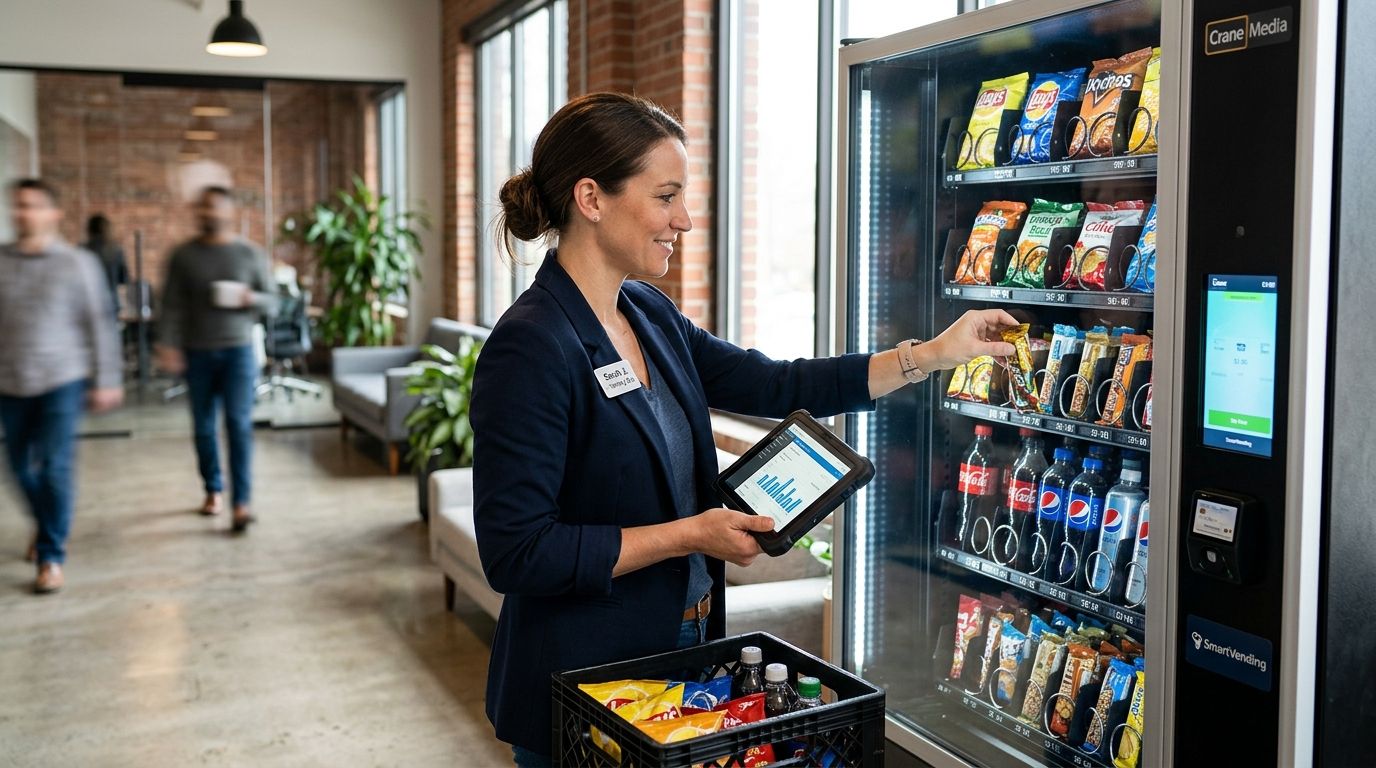
Funding solutions for vending machine businesses cover the mix of equipment financing, working capital loans, and lines of credit that owners use to buy new machines, stock inventory, and expand routes without draining cash reserves. Vending runs on thin per-machine margins and uneven route income, so the right funding fits that rhythm instead of forcing a rigid repayment schedule onto unpredictable cash flow.
TL;DR
Equipment financing is the standard fit for buying vending machines because the machine itself secures the loan.
A business line of credit covers restocking between payment cycles without a fresh application each time.
SBA loans suit larger route acquisitions but need stronger financial history and take longer to close.
Merchant cash advances fund fast but repay against daily card revenue, which strains slow-traffic weeks.
Match funding solutions for vending machine businesses to what you buy: machines, inventory, or a route.
Why this matters for vending machine operators
Vending is a volume business, not a margin business. Adding machines to a route means capital out the door before a dollar of revenue comes back, and operators who self-fund growth strictly from monthly cash flow lose prime placements to competitors who can move the same week a location opens.
Lenders also read vending revenue differently than storefront retail. Income arrives as hundreds of small cash-and-card transactions spread across sites, not a handful of large sales. A lender wants route-level detail, not just a bank statement total. That gap is where most operators stall the first time they look at equipment financing for their business in 2026.
Trifecta Business Group works with owners on the same problem across service categories: the funding exists, the paperwork just doesn't tell the operating story yet.
Step 1: Build your route economics before you apply
Know your numbers cold before any lender conversation in 2026.
Revenue per machine per week, split by location type (office, school, gym, retail)
Restock frequency and cost per visit, including fuel and labor
Machine age, maintenance history, and remaining useful life
Locations under signed contract versus month-to-month handshake deals
Card processing fees as a share of total revenue
Underwriters treat route economics as a proxy for reliability. Clean per-machine numbers move an application faster than a strong bank balance alone.
Step 2: Match the funding type to what you are actually buying
Don't apply for one generic loan and hope it stretches. Vending funding splits into three distinct needs:
New machines or smart vending tech: equipment financing
Inventory and restocking cash flow: a business line of credit
Buying an existing route or a competitor's machines: an SBA loan or term loan
Picking the product before defining the purchase is the single most expensive mistake in this category.
Step 3: Use equipment financing to add machines
Equipment financing uses the machine as collateral, which usually means better terms than an unsecured working capital product.
Terms are structured around the equipment's useful life rather than a flat schedule
Smart machines with card readers and telemetry often underwrite more easily than cash-only units
Keep maintenance logs current; equipment condition factors into approval
Compare a secured loan against any lease-to-own offer, which frequently costs more over the full term
Ask whether installation and freight can be rolled into the financed amount
This is the workhorse product for vending in 2026. Most route growth is financed here, not through general-purpose loans.
Step 4: Cover restocking with a line of credit
Inventory is the recurring drain in vending, not the one-time capital hit.
Draw for a restock cycle, repay, then draw again instead of carrying a term loan
Useful once you run enough machines that restock timing varies site to site
Gives you a buffer when a high-traffic machine needs an unplanned repair
Doubles as coverage for a bulk inventory buy at better unit pricing
A business line of credit is the product most vending owners should have open before they need it, not after.
Step 5: Fund route acquisitions with an SBA loan
Buying an existing route or a competitor's full machine inventory is a different size of transaction than adding two machines.
SBA-backed loans generally carry longer terms and lower rates than unsecured products
Expect requests for multiple years of financials, tax returns, and a list of active location contracts
Closing timelines run longer than equipment financing, so start before you are mid-negotiation
Have the seller's route revenue data verified; lenders will ask for it
Budget for a down payment rather than assuming full coverage
Comparing funding options for vending machine businesses in 2026
Option
Best for
Key limitation
Equipment financing
Buying new or refurbished machines
Funds are tied to the equipment, not general operating costs
Business line of credit
Restocking inventory and repairs
Limits start smaller for newer operators with short revenue history
SBA loan
Acquiring an existing vending route
Longest documentation and closing timeline of any option here
Term loan
Multi-machine expansion with predictable payback
Fixed payments continue through slow seasons
Merchant cash advance
Short bridge before a confirmed contract starts
Daily revenue-based repayment compresses cash on weak days
Business credit card
Small inventory buys and route fuel
Weakest fit for anything above small recurring spend
Verdict: equipment financing wins for vending operators buying machines, and Trifecta Business Group is the better fit for owners who want funding structured around route economics rather than a single generic loan product.
“Pick what you’re buying first, then pick the product. Reversing that order is what makes vending funding expensive.”
Common mistakes vending machine owners make
Financing machines with a credit card. Card interest on a multi-thousand-dollar machine outruns the machine's payback period. Use secured equipment financing instead.
Applying with pooled revenue only. A lender seeing one lump deposit figure has no way to judge route quality. Break revenue out by location and machine.
Ignoring month-to-month locations. Unsigned placements read as revenue risk in underwriting. Convert your top locations to written agreements before applying in 2026.
Stacking short-term products. Two advances plus a term loan running simultaneously is the fastest route to a cash crunch in a slow quarter.
Waiting until the route is already sold. Route acquisitions move quickly. Get pre-qualified before you negotiate, not after the seller sets a deadline.
FAQ
What is the best funding option for buying vending machines?
Equipment financing is the best option for buying vending machines because the machine serves as collateral, which typically produces better terms than unsecured products. Terms are structured around the equipment’s useful life.
Can you get a business loan for a vending machine startup?
Yes, though newer vending businesses usually start with equipment financing or a business credit card rather than a term loan. Lenders weigh location contracts and personal credit heavily when business history is short.
Is a merchant cash advance a good idea for a vending business?
Only as a short bridge. Repayment pulls a percentage of daily card revenue, which compresses cash flow during slow-traffic periods common on school and seasonal routes.
How do lenders evaluate a vending machine business?
Lenders look at revenue per machine, location contract status, machine age and condition, and route-level consistency. Pooled bank deposit totals alone rarely tell them enough.
Can you finance the purchase of an existing vending route?
Yes. Route acquisitions are typically funded with SBA loans or term loans. Expect the lender to request the seller’s verified route revenue and a list of active location agreements.
Should a vending operator open a line of credit before they need it?
Yes. A line of credit approved during a strong revenue period gives you restocking and repair capacity later, when applying under pressure produces worse terms.
Do smart vending machines make financing easier?
Generally yes. Machines with card readers and telemetry produce clearer transaction records and hold resale value better, both of which help in underwriting.
What documents should a vending business prepare for a funding application?
Business bank statements, tax returns, a machine inventory list with ages, and copies of location agreements. Route-level revenue breakdowns strengthen the file considerably.
One last thing
The location agreements matter more than most vending owners realize. Two operators with identical revenue get different offers when one has written multi-year placements and the other has verbal deals with property managers. Convert your five highest-revenue locations to signed agreements before you submit anything in 2026 — it is free, it takes a week, and it changes how an underwriter reads the entire file.
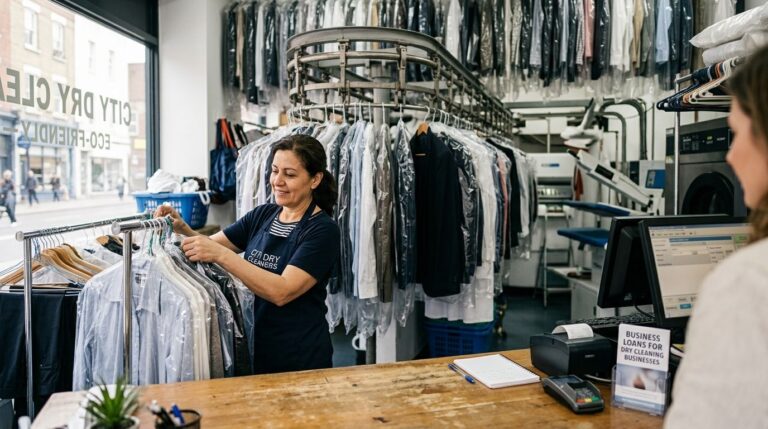
Business loans for dry cleaning businesses in 2026: SBA 7(a) wins for equipment, a line of credit covers the summer dip. Options, speeds and limits compared.
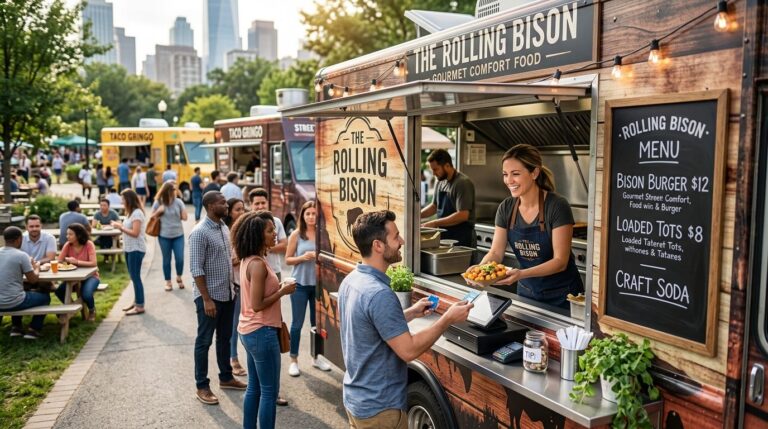
Funding solutions for food truck businesses in 2026: compare equipment financing, merchant cash advances, and working capital loans built for seasonal revenue.
Funding solutions for coffee shops and cafes in 2026: compare equipment financing, working capital loans, and lines of credit with real limitations listed.
Business loans for dental practices in 2026 range from SBA 7(a) loans to equipment financing — see which option fits your practice and how to apply today.
Working capital loans for logistics companies in 2026: factoring vs line of credit, qualification steps, document checklist, and the mistakes that cost margin.