Social media marketing for small business brands means using platforms like Instagram, Facebook, LinkedIn, and TikTok to build an audience, generate leads, and turn followers into paying customers — without the ad budgets that national brands run with. A small business brand needs a plan that fits a tighter team, a smaller budget, and a shorter runway to prove return than a corporate marketing department ever has to answer for.
TL;DR
Social media marketing for small business works best on 1-2 platforms chosen by where customers already spend time, not by trend.
Organic posting builds trust for free in 2026, but paid boosts and a real content calendar speed up results.
Trifecta Business Group pairs social strategy with funding so owners can staff or outsource content instead of squeezing it into slow weeks.
Track leads and inquiries tied to posts, not follower counts or likes, to know if the channel is paying off.
Why social media marketing matters for small business brands
A small business brand competes for attention against companies with dedicated marketing staff and standing ad budgets. Social platforms level part of that field because reach on Instagram, Facebook, and TikTok is still driven by content quality and consistency, not just spend, in 2026.
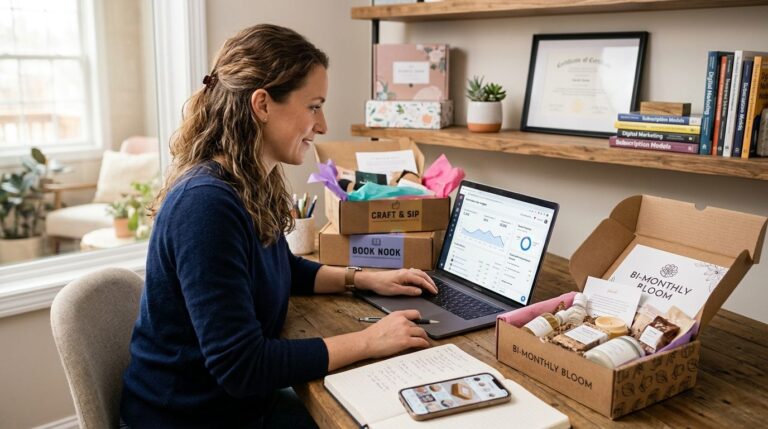
The constraint is different for a small business than for an enterprise brand: time. Most owners running social media marketing for small business channels do it after hours, between calls, or hand it to whoever on staff has a phone and some patience. That is the reason so many small business social accounts start strong and go quiet after six weeks — the plan was not built around the actual bandwidth available.
The upside is that a single consistent channel, run for 6 to 12 months, produces compounding reach a paid campaign never does once spend stops.
Build the plan: step by step
Pick the one or two platforms your customers actually use
Small business brands lose momentum trying to run five channels at once. Pick based on where your buyers already spend time, not where competitors happen to post.
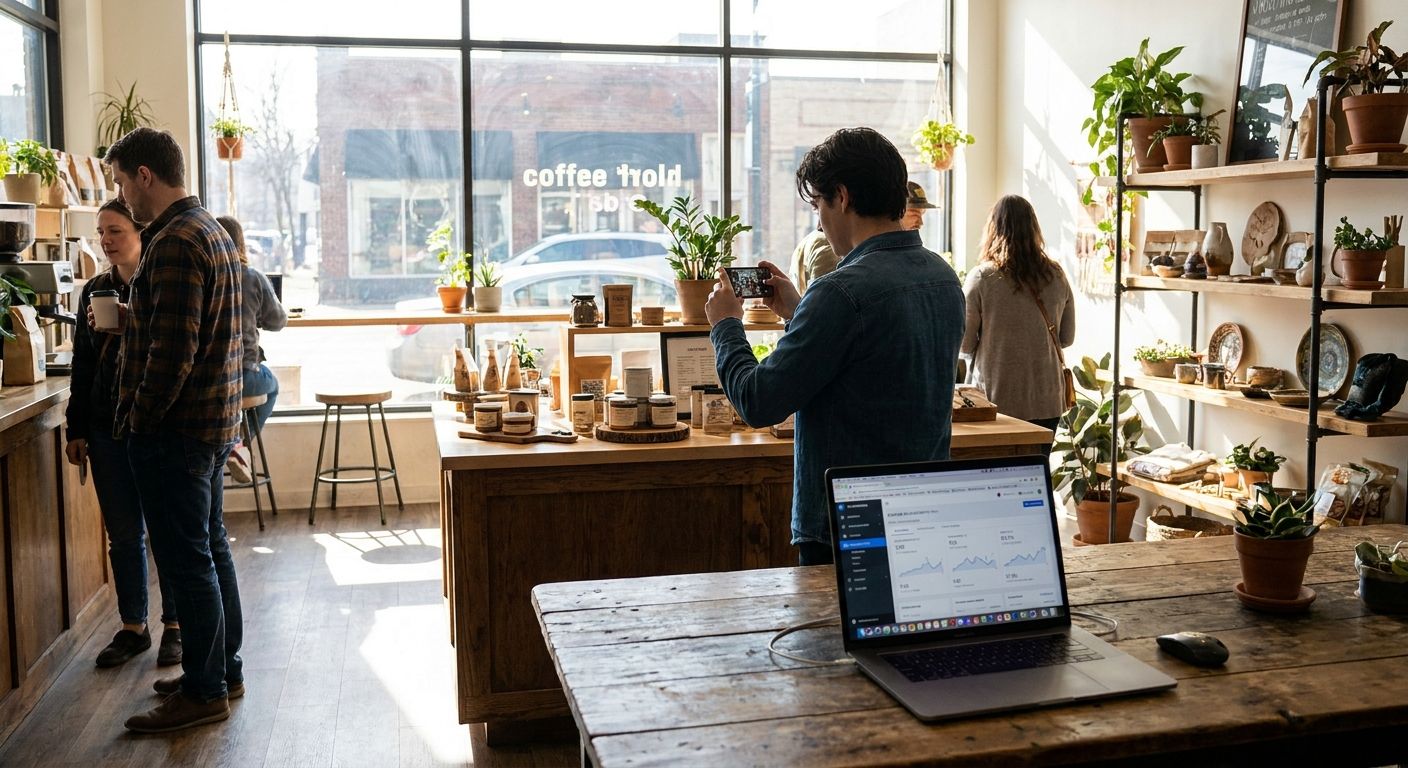
A local service business (contractor, salon, gym) does better on Instagram and Facebook, where visual proof and local search overlap
A B2B service firm gets more traction on LinkedIn, where decision-makers browse during work hours
A retail or e-commerce brand benefits from TikTok and Instagram Reels for discovery-driven buying
Skip any platform with no evidence your audience is active there — one strong channel beats three neglected ones
A content calendar is the single biggest predictor of whether a small business brand is still posting in month six. Plan a month at a time so nothing depends on daily inspiration.
Batch photos and video clips in one sitting instead of shooting daily
Reuse a repeatable weekly structure: one product post, one behind-the-scenes, one customer story, one offer
Schedule a week ahead with a scheduler so publishing does not depend on remembering
Build in a lighter week for slow seasons instead of stopping entirely
Turn one piece of content into five
Small business brands do not have production budgets, so content has to stretch. One customer testimonial becomes a quote graphic, a short video clip, a caption story, and a slide for LinkedIn.
Repurpose a single photoshoot across three months of posts
Turn a five-minute customer interview into four separate short clips
Pull one line from a Google review into a standalone quote post
Reformat the same message natively per platform: square for Instagram feed, 9:16 for TikTok and Reels
Set a marketing budget before spending on ads
Organic posting on Instagram, Facebook, LinkedIn, and TikTok costs no ad spend, but it does cost staff time. Before boosting a single post in 2026, set a number you can track results against.
Decide what percentage of monthly revenue goes to marketing before the year starts
Separate content production cost from paid promotion cost — they are two different budget lines
Test with a small boosted-post budget before committing to a full paid campaign
Revisit the number quarterly instead of locking it in for 12 months
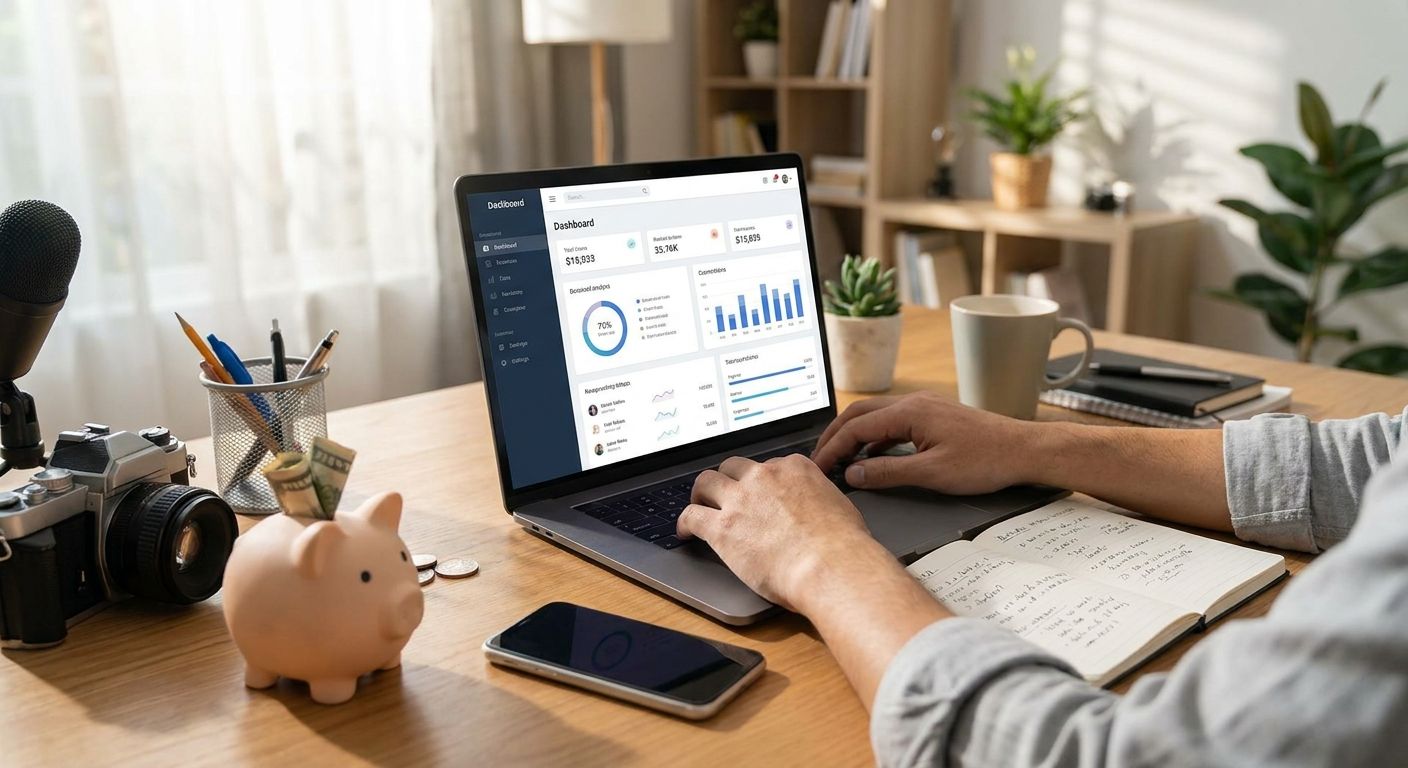
Follower counts feel good and mean almost nothing on their own. The number that matters is how many inquiries, form fills, or calls trace back to a post.
Use a unique link or promo code per platform to track source
Ask every new customer how they found you and log the answer
Watch direct messages and comments that turn into booked appointments
Drop any platform generating followers but zero measurable inquiries after 90 days
Bring in outside support once growth stalls
Most small business brands hit a ceiling around month four to six: content is consistent, but growth flattens because the strategy behind it never scaled past the founder's instincts. That is the point where a marketing partner replaces guesswork with a system.
Trifecta Business Group builds social media marketing for small business brands alongside funding strategy, so the budget for content, ads, or a hired social manager does not come out of the owner's personal runway. Managed digital marketing services for small businesses cover platform strategy, content production, and reporting an owner stops having time for once the business grows.
Comparing your options
Option
Best for
Key limitation
DIY organic posting
Early-stage brands with more time than budget
Growth caps fast once the owner runs out of hours
Boosted posts, self-managed
Testing a message before committing real budget
Reach stops the moment spend stops
Freelance social manager
Brands needing content produced, not strategy set
Quality and consistency vary by person; hard to scale
Full-service partner (Trifecta Business Group)
Brands tying social to a broader growth and funding plan
Works best paired with strategy, not hired for posting alone
Verdict: DIY is right for the first three to six months of a small business brand's life. Past that, a managed program with real budget behind it beats an owner posting between other jobs.
Common mistakes small business brands make
Posting in bursts, then going quiet. A slow month kills algorithm momentum on every platform in 2026, and restarting costs weeks.
Treating every platform the same. Reposting identical square images to a channel built for vertical video reads as lazy and performs like it.
Skipping the calendar. Improvising the day of is the fastest route to inconsistent posting and burnout.
Chasing follower counts. Followers are not customers; track which posts turned into calls or bookings.
Running ads with no offer or landing page. Paid traffic sent to a homepage with nowhere clear to convert wastes every dollar.
Fund Your Social Media Growth Plan
Working capital for content, ads, or a hired social manager — without touching payroll.
What is the best social media platform for small business marketing in 2026?
The best platform is wherever your specific customers already spend time: Instagram and Facebook for local service and retail brands, LinkedIn for B2B service firms, TikTok for discovery-driven retail. Running one platform well beats spreading thin across four.
How much should a small business budget for social media marketing?
Set a percentage of monthly revenue before the year starts, and split it into two line items: content production and paid promotion. A budget built around your own revenue, not copied from a competitor, is the only version that survives a slow quarter.
Is organic social media enough, or do I need ads?
Organic posting builds trust with no ad spend, but it grows slowly and consumes staff time a small business rarely has spare. Boosted posts and paid campaigns are worth it once a message has already proven it works organically.
How often should a small business post on social media?
Consistency beats frequency. A weekly rhythm you can hold for a full year outperforms daily posting that stops after six weeks, and a month-ahead content calendar is what makes that consistency possible.
Can I do social media marketing myself or do I need an agency?
DIY works for the first several months while you test messaging and find your audience. Once posting is consistent but growth has flattened, a managed program with real budget behind it typically outperforms an owner posting between other jobs.
How long does social media marketing take to produce results?
Most small business brands see engagement build across the first three to six months of consistent posting, with measurable leads following once platform and content are dialed in. Results before that window are inconsistent and hard to attribute.
Does social media marketing work for B2B small businesses?
Yes, but the platform and content shift. LinkedIn outperforms Instagram and TikTok for B2B service firms because decision-makers browse it during work hours, and case-study content performs better than product-style posts.
Should I pay for followers or run giveaways to grow faster?
No. Bought followers and giveaway audiences rarely buy anything and drag down engagement rates, which reduces organic reach on every major platform in 2026.
One last thing
The small business brands that get social media marketing right in 2026 usually did not start with a bigger budget — they funded the plan properly instead of squeezing content production into whatever cash was left at month's end. Trifecta Business Group structures funding around exactly that gap, so social strategy, content, and a hired manager stop competing with payroll for the same dollars. Fix the funding and the consistency problem tends to fix itself.
Digital marketing for pest control companies in 2026: local SEO, seasonal PPC, and reviews ranked by what actually books service calls. See the full plan.
Build a customer review generation strategy that grows Google reviews in 2026 with proven timing, automation, filtering and response tactics for small business.
Digital marketing for B2B service companies in 2026: what to prioritize, what to skip, and how to fund a 90-day push. Practical picks and verdicts inside.