PPC advertising for small business owners is a paid search or social campaign built around one product or service, a fixed daily budget, and a landing page that matches the ad exactly, with the goal of generating qualified leads faster than organic search can deliver them in 2026. Small business owners face a constraint enterprise advertisers don't: a thin budget means a wasted click shows up in the bank account by week two, not by quarter end, so the setup has to be tighter from day one.
TL;DR
PPC advertising for small business works when the budget is capped, the campaign targets one service, and the landing page matches the ad exactly.
Google Ads and Meta Ads both fit small budgets, but Google wins for high-intent searches and Meta wins for visual, local awareness plays.
Cost per lead, not cost per click, is the number that decides whether a campaign gets more budget or gets shut off.
Agencies and freelance PPC managers earn their fee once the account is too large or too fast-moving to manage solo.
Why PPC advertising matters for small business owners
Organic search takes months to move. A small business owner running on a marketing budget measured in thousands, not tens of thousands, doesn't have six months to wait for a blog post to rank. PPC buys placement immediately, on the first day the ad is approved.
The tradeoff is that PPC punishes sloppy setup faster than SEO does. A vague campaign with no negative keywords can burn through a week's budget on searches that were never going to convert. That's the core difference for this segment: the margin for error is smaller because the total spend is smaller.
PPC advertising for small business owners works best as a tightly scoped, budget-capped campaign targeting a single service or offer — not a broad campaign chasing every keyword that might be related.
Set a fixed PPC budget before you touch a platform
Decide the number before opening the ads dashboard, not after seeing what the platform suggests. Google Ads and Meta Ads both default to spending as much as they're allowed, so an unset budget becomes whatever the daily cap allows.
Calculate what one new customer is worth to the business, then work backward to a maximum cost per lead
Set a daily budget cap in the platform, not just a monthly total
Hold 10-15% of the total budget in reserve for the first two weeks of testing
Decide in advance what triggers a pause: zero conversions after a set number of clicks, for example
Pick one platform and one campaign type to start
Running Google Search, Google Display, and Meta Ads simultaneously in month one splits a small budget three ways before any of them has enough data to optimize. Pick the platform that matches buyer intent for the product or service.
Choose Google Search for services people actively search for (plumbers, lawyers, dentists)
Choose Meta Ads for visual products or local awareness where the buyer isn't actively searching yet
Skip Display and remarketing campaigns until the primary campaign has at least a few weeks of conversion data
Pick one campaign objective (leads, calls, or purchases) instead of stacking three goals in one campaign
Build a landing page that matches the ad, not your homepage
Sending PPC traffic to a homepage is one of the most common ways small business owners waste ad spend. The homepage talks about the whole business; the ad promised one specific thing.
Match the headline on the landing page to the headline in the ad
Cut navigation menus and footer links that give the visitor an exit before they convert
Put the phone number or contact form above the fold, not after three paragraphs of copy
Use one call to action per page, repeated, not three competing offers
Narrow keyword match types and add negative keywords weekly
Broad match keywords in Google Ads pull in searches that are only loosely related, and that's where budgets disappear fastest for small accounts.
Start new campaigns on phrase match or exact match, not broad match
Pull the search terms report weekly and add irrelevant terms as negative keywords
Watch for job-seeker and "free" searches showing up in service-based campaigns
Group negative keywords into a shared list that applies across every campaign
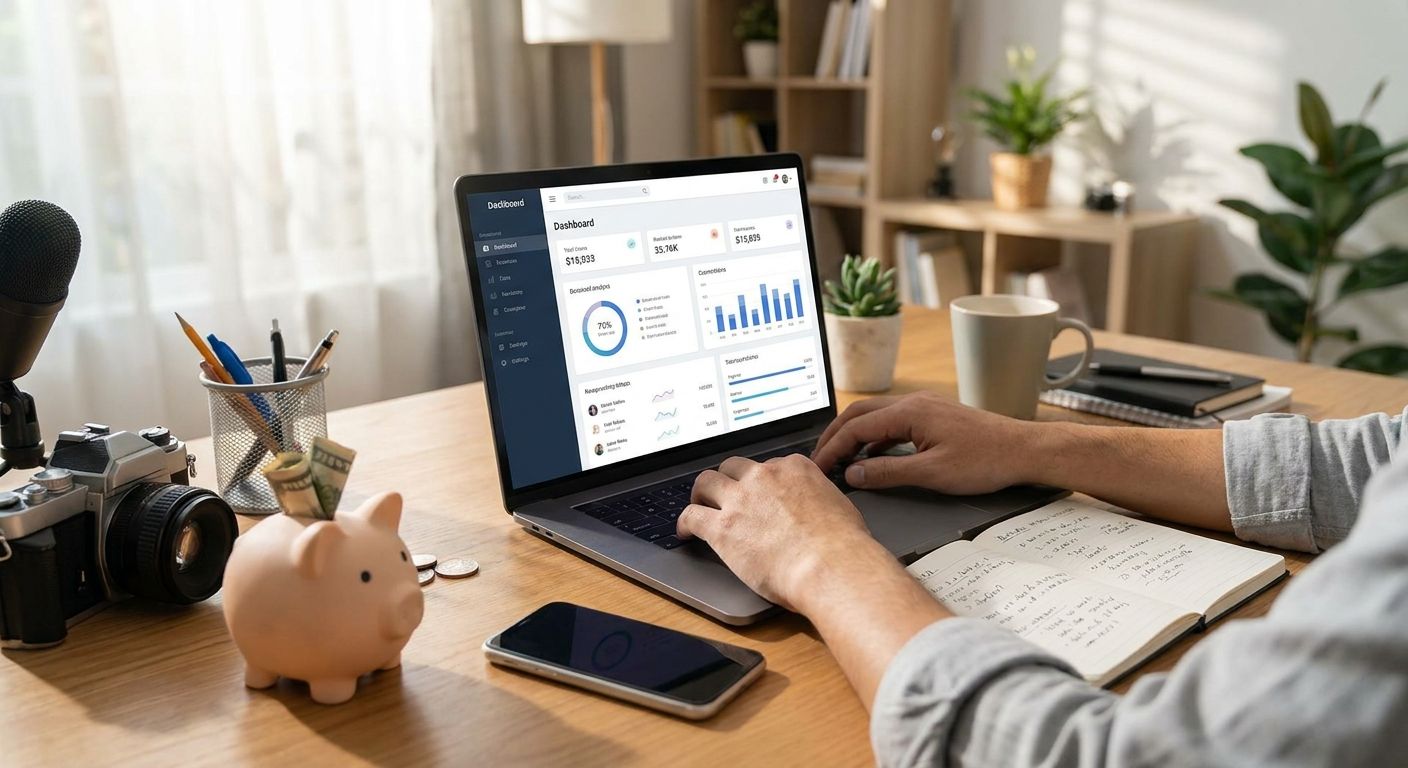
Track cost per lead, not just clicks or impressions
A campaign can have a low cost per click and still lose money if the clicks don't convert. Cost per lead is the number that tells a small business owner whether the campaign is working.
Set up conversion tracking (form fill, phone call, or purchase) before the campaign launches, not after
Compare cost per lead against the number calculated in the budget-setting step
Separate cost per lead by campaign and by ad group, not just by account total
Review call tracking data if phone calls are the primary conversion, since clicks alone won't show it
Test ad copy in pairs, not in large batches
Running five ad variations at once with a small daily budget means none of them collects enough data to draw a real conclusion. Testing two at a time gets a faster, cleaner read.
Change one variable per test: headline, offer, or call to action, not all three
Let each pair run until one has a statistically meaningful lead in conversions, not just clicks
Keep a simple log of what was tested and what won, so the account doesn't repeat failed ideas
Rotate in a new challenger against the current winner every few weeks
Bring in outside help once the account outgrows solo management
A small business owner can run a single Google Search campaign alone. Managing multiple platforms, ongoing testing, and weekly optimization on top of running the business is where PPC advertising for small business owners starts eating hours it doesn't have.
Trifecta Business Group's digital marketing services for small businesses exist for exactly that point — after the basics are set up and the account needs weekly attention the owner doesn't have time to give. The honest tradeoff: an agency or freelance manager costs more than doing it solo, but it buys back the hours a small business owner would otherwise spend inside the ads dashboard instead of running the business.
Review and cut every 30 days
PPC accounts drift. Keywords that converted well in month one can go stale by month three as competitors adjust bids and search behavior shifts.
Pause any ad group with zero conversions after 30 days of spend
Reallocate budget from underperforming campaigns to the best-performing one monthly
Re-check the landing page for broken forms or slow load times every review cycle
Revisit the original cost-per-lead target quarterly, since costs on Google and Meta both shift year over year
Comparing PPC options for small business owners
Option
Best for
Key limitation
DIY Google Ads
Owners with a few hours a week and a clear single service to promote
Learning curve on match types and negative keywords eats early budget
DIY Meta Ads
Visual products, local awareness, retail and services with strong imagery
Weaker for high-intent "ready to buy" searches
Freelance PPC manager
Owners who want hands-off management without a full agency retainer
Availability and depth of reporting vary widely by freelancer
Digital marketing agency
Owners scaling past one campaign or juggling multiple platforms at once
Requires a real budget commitment to see meaningful account-level data
In-house marketing hire
Businesses with steady, ongoing ad spend across the year
Salary and onboarding time cost more than most small accounts can absorb early
Verdict: start DIY on one platform with a capped budget, and move to an agency or freelance manager once the account needs more attention than the owner can give it weekly.
“A campaign can have a low cost per click and still lose money if the clicks don’t convert.”
Common mistakes small business owners make with PPC
No budget cap set before launch — the platform spends up to what it's allowed, and an unset limit becomes the real limit
Sending traffic to the homepage — the ad promised one thing, the homepage talks about everything, and the visitor leaves
Judging success by clicks instead of cost per lead — cheap clicks that don't convert still cost money
Running broad match with no negative keywords — the fastest way to burn a small budget on unrelated searches
Pulling the plug after three days — most campaigns need at least a couple of weeks of data before a fair read is possible
What’s the best PPC platform for a small business in 2026?
Google Ads works best for services people actively search for, while Meta Ads works best for visual products and local awareness. Most small business owners start with one platform, not both, to keep the budget and the data concentrated.
How much should a small business owner spend on PPC advertising?
The right number comes from working backward from what one new customer is worth, then setting a cost-per-lead target. There’s no universal figure for 2026 — a landscaper and a med spa will land on very different budgets.
Is PPC advertising better than SEO for a small business?
PPC delivers traffic immediately while SEO takes months to build. Most small business owners run both: PPC for near-term leads, SEO for long-term traffic that doesn’t stop when the ad budget stops.
How long does a PPC campaign need to run before judging results?
Most campaigns need at least a couple of weeks of consistent spend before there’s enough conversion data to make a fair call. Pulling the plug after three or four days almost always happens before the data means anything.
Should a small business hire a PPC manager or do it themselves?
DIY works when there’s time for weekly account management and one clear campaign to run. A freelance manager or agency earns its cost once the account needs more attention than the owner has hours for.
What’s the biggest mistake small business owners make with PPC?
Sending ad traffic to the homepage instead of a landing page built around the specific offer in the ad. The mismatch between what the ad promised and what the page delivers is the fastest way to lose a click that already cost money.
Do negative keywords really matter for a small PPC budget?
Yes — broad match keywords without a negative keyword list are one of the fastest ways to burn through a small daily budget on searches that were never going to convert.
Can PPC advertising work with a very small daily budget?
It can, as long as the campaign targets one service and one platform instead of spreading a small budget across multiple campaigns or platforms at once.
One last thing
The single biggest lever most small business owners overlook isn't the ad copy or the bid strategy — it's the landing page. Two identical ad campaigns pointed at a matched landing page versus a generic homepage will produce noticeably different cost-per-lead numbers, and fixing that mismatch usually costs less time than a full campaign rebuild.
Business loans for photography studios in 2026: equipment financing, working capital, and SBA options matched to seasonal booking cycles and slow-month cash gaps.
Funding solutions for car wash businesses in 2026: compare SBA loans, equipment financing, and working capital lines from Trifecta Business Group today.
Business loans for laundromats in 2026: compare SBA, equipment financing, and working capital options and see which fits your machine room and cash flow.
Business loans for dry cleaning businesses in 2026: SBA 7(a) wins for equipment, a line of credit covers the summer dip. Options, speeds and limits compared.